Gi Wire Mesh Manufacturer In Bhiwandi
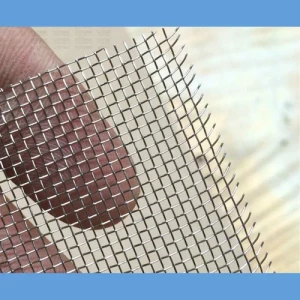
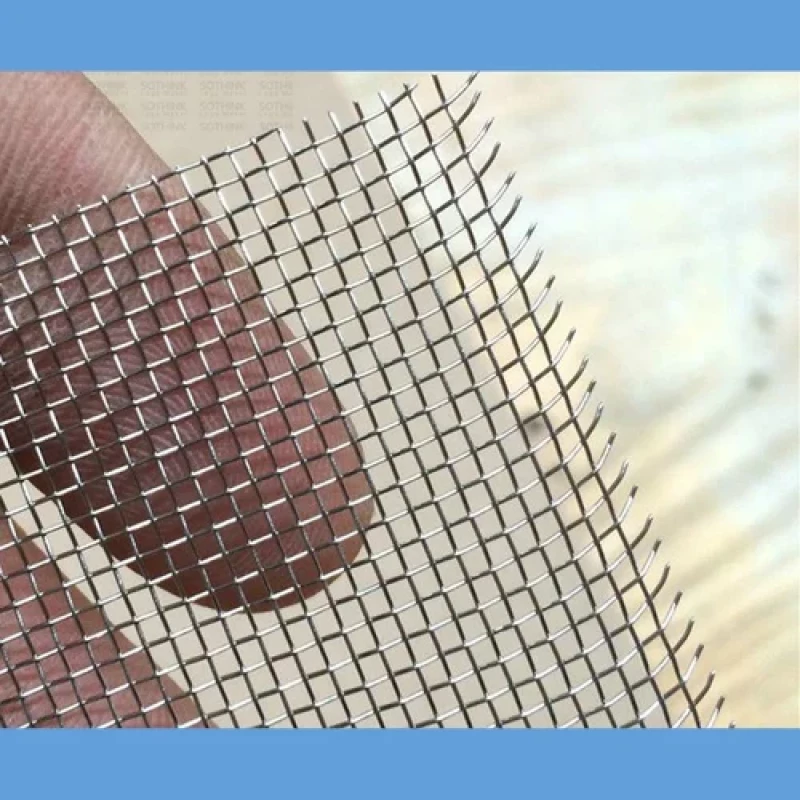
Details of Gi Wire Mesh Netting
We manufacture GI wire mesh for buyers in Bhiwandi, with material selection guided by the opening size, wire thickness and intended use. A mesh that suits a machine guard may not suit a sieve or a fence. We look at the job first, then discuss the mesh details. The right match matters.
Size needs checking. We ask for the clear opening, wire diameter and mesh width before discussing a requirement, since a mesh count alone doesn't tell us how heavy the wire needs to be. For a fence, the span between supports also matters. A loose panel can sag.
Coating has limits. Galvanising gives steel a protective zinc layer, but its life depends on the coating condition and the surroundings. Cut edges, damaged spots and welded joints need attention (especially where water collects). For wet or corrosive use, we suggest checking whether GI is suitable before placing an order. Mesh choice isn't only about price.
Where the mesh can fit
- Fencing and partitions
- Mesh opening, wire thickness and support spacing affect how the panel holds its shape.
- Machine guards
- Opening size and fixing points need to match the guard design and the access required.
- Screening
- Opening size should suit the material being screened, along with the expected wear.
- Ventilation covers
- Mesh needs enough open area for airflow while limiting entry of unwanted material.
Fit comes first. For a Bhiwandi site with a 2.3 metre panel span, we'd ask how the mesh will be fixed and whether there's a centre support, rather than quote from width alone. Roll width and cutting allowances also affect the quantity needed. The drawing settles most doubts.
Checks before an order
Specifications can vary. We discuss whether the requirement calls for woven or welded mesh, because the joint and wire layout affect how the sheet or roll behaves during installation. Buyers should also share any grade, coating or test requirement stated in their purchase documents. We can then check what matches.
Stock isn't uniform. Common mesh sizes may be available sooner, while a less common opening or wire thickness needs a separate availability check (and sometimes a longer lead time). We confirm the agreed size and quantity before the order moves ahead. Dispatch dates depend on that check.
Details for purchasing teams
Paperwork needs care. We ask buyers to share their required description in the enquiry, including the mesh type, dimensions and any inspection terms that apply. This helps us check the quote against the purchase order before dispatch. A sample or drawing can also be discussed when the end use calls for one.
Packing affects handling. Mesh rolls and cut pieces need enough care at the edges, especially when several sizes are sent to one site. We discuss packing and delivery needs with the buyer before dispatch. Site unloading arrangements should be checked too.
Message us
Share your requirement. Send us the mesh opening, wire diameter, width, length and quantity, along with a drawing or photo if available. Tell us where and how the mesh will be used, and who we should contact for technical questions. We'll review the details and respond with the next steps.
Offered Product
