Wire Mesh Screen Manufacturer In Kanpur
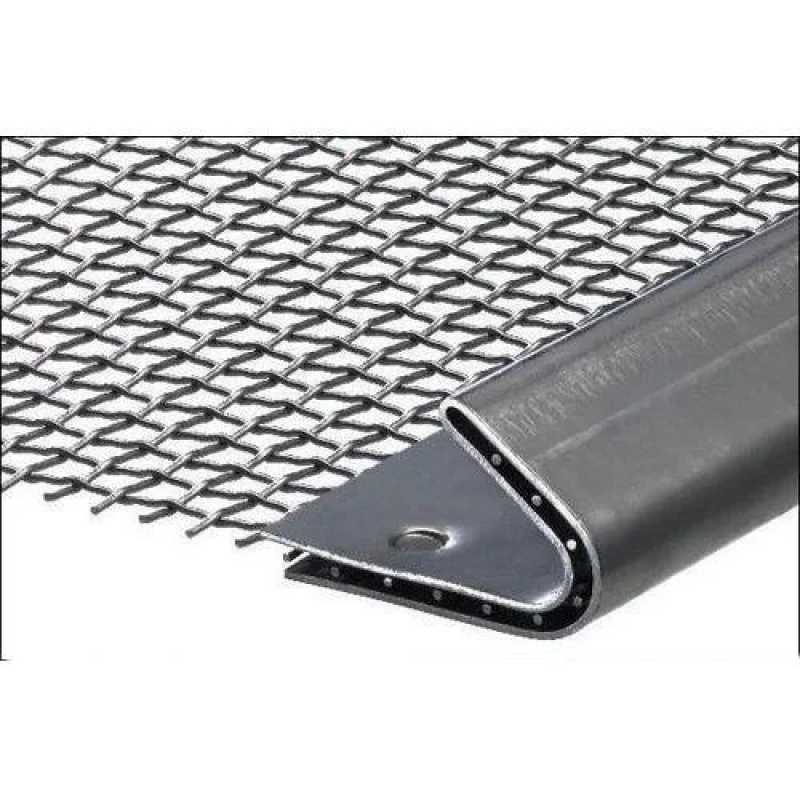
Details of Spring Steel Wire Mesh Screen
Wire Mesh Screens for Industrial Use
We make mesh. We manufacture and supply wire mesh screens for buyers in Kanpur, with choices suited to screening, filtration and machine guarding. The right screen can support steady use over time, but its working life depends on the wire, opening and load. The specification matters first.
Choosing the Screen
Openings need checking. A screen that passes one material may hold back another, even when both look alike. For example, a 4 mm clear opening with 1.6 mm wire gives a different screening area from the same opening with thicker wire. Don't select by appearance alone.
Wire grade matters. Stainless steel can suit wet or corrosive work, while spring steel is used for demanding vibrating screen jobs. We also deal in GI and brass mesh, though each material has limits (the working environment makes a difference). Match the grade to the job.
Screen load varies. Woven mesh, crimped mesh and welded mesh don't behave in the same way under repeated movement or impact. We check the type of material being screened and how the panel will be held before suggesting a mesh. The fitting needs attention too.
Fit and Working Conditions
Edges often wear. Loose fitting can let a screen move against its support, particularly on vibrating equipment. A frame or clamp needs to hold the mesh firmly without leaving gaps where material can escape. Wear should be checked during routine stops.
Size affects handling. A large panel may be harder to fit and replace than two smaller panels, but the machine layout decides whether a split is practical. We ask buyers to check the space around the screen before settling on a panel size. Access can save time later.
Fine mesh needs care. Thin wires can be damaged during handling, and a blocked opening can slow the flow through the screen. Cleaning needs depend on the material being processed (some deposits are harder to remove). Check the mesh after cleaning.
Orders and Supply
Stock varies by size. We keep commonly requested materials and patterns in stock, but an uncommon opening or cut size may need a separate sourcing or preparation step. For orders in Kanpur, we confirm availability and dispatch timing against the required quantity. Buyers can then plan fitting work.
Drawings reduce errors. A mesh count alone may not settle the requirement, since wire diameter also affects the clear opening. When a buyer has an existing screen, we can review its details along with a drawing or sample before confirming the order. Small differences change the fit.
Repeat orders need records. Once a screen has been selected, we recommend keeping its grade, wire diameter, opening and cut size on the purchase record. This helps the next enquiry start with the same details, even if the person placing it has changed. Keep the specification handy.
Discuss Your Requirement
Ask us first. Tell us what the screen needs to separate or guard, and whether you need a loose mesh panel or a piece cut for a particular machine. We can discuss the available features and check what suits the application before you place an order. Send your enquiry when ready.
Offered Product
