SS Perforated Sheet Manufacturer In Ganjam
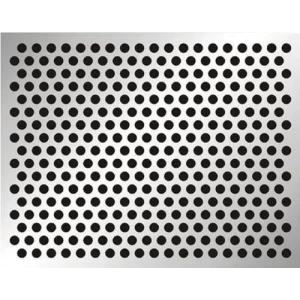
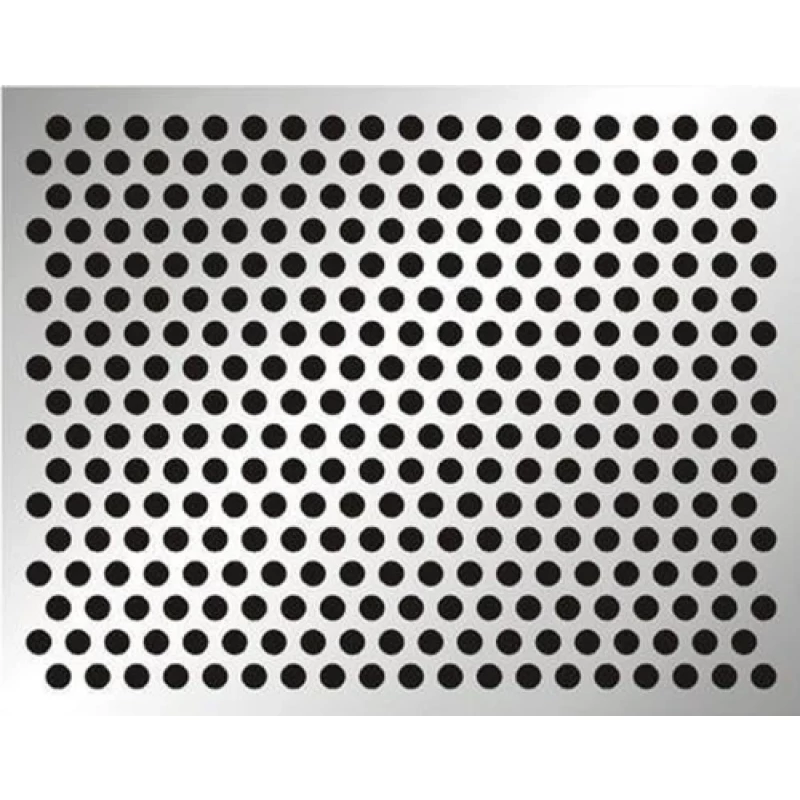
Details of Ss Perforated Sheets
We make sheets. As an SS perforated sheet manufacturer serving Ganjam, we work with buyers on material grade, hole pattern and sheet size for industrial orders, along with smaller DIY and creative uses. We check the stated requirements before taking up a job. The details matter.
Small jobs count. Perforated sheets can be used for workshop screens, cabinet panels or plant stands, but the hole size and sheet thickness need to suit the load and the way the panel will be fixed. A decorative sheet may not be suitable for a machine guard. We check the end use first.
Edges need attention. For a DIY panel, we suggest planning the cut size and fixing points before work starts; sharp edges should be dressed, and suitable gloves should be worn while handling the sheet. An M6 bolt, for example, needs a fixing hole with enough clearance (the perforations may not line up with the frame). Check the fixing layout.
Looking After the Sheet
Cleaning: Wipe the sheet with mild soap and water, then rinse and dry it. Use a soft cloth or brush that can reach the holes without scratching the surface.
Stains: Remove dirt and deposits before they build up. Avoid harsh cleaners and steel wool, which can damage the surface or leave metal particles behind.
Handling: Keep sheets dry during storage and separate them from mild steel stock. Lift them with care to avoid bent corners and cuts.
Inspection: Check fixed panels for loose fasteners, blocked holes and signs of surface damage. Clean and repair them as needed.
How We Handle Orders
Grades need checking. We work with stainless steel grades including 304, 304L and 316L, and we ask about the working environment before matching a grade to the job. Wet or chloride-rich conditions need particular care; a grade choice alone doesn't settle every corrosion concern. Share the exposure details.
Drawings save time. Our team checks the requested sheet dimensions, thickness and perforation pattern against the order details, since a missing edge margin or an unclear hole pitch can affect how the sheet fits. We raise such points before the order moves ahead.
Stock has limits. We keep commonly requested materials and sizes in ready stock, but availability for a particular grade or pattern must be checked when the enquiry comes in. For a project order, we discuss the quantity and dispatch timing after reviewing the requirement. Don't assume every pattern is on hand.
Buyers may need records. If grade certificates or other checks are required, we ask for those details with the enquiry (not after dispatch). We also review any applicable specification or compliance requirement with the buyer before confirming the order. Put these needs in writing.
Choose the Right Pattern
Compare the options. For an enquiry from Ganjam, we can discuss round, square, slotted or fine perforations and the open area needed for the panel, along with the surface finish expected for the job. Send us the drawing or required specifications for a suitable quote.
Offered Product
