Stainless Steel Crimped Wire Mesh Supplier In Chandigarh
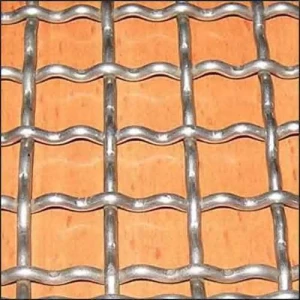
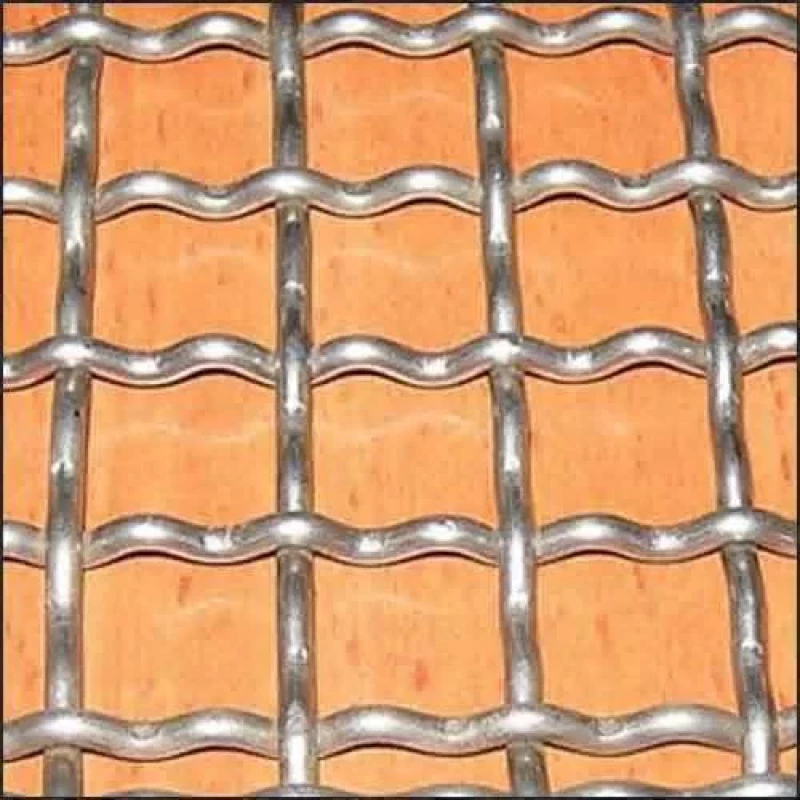
Details of Stainless Steel Crimped Wire Mesh
Meeting the demands of modern enterprises in Chandigarh by supplying reliable stainless steel crimped wire mesh that maintain high efficiency. We know how important strong and durable mesh is for filtering, screening, or fencing work in tough industrial settings.
Crimped wire mesh holds shape better under pressure compared to plain woven mesh. This makes it a solid choice for heavy-duty sieving and separation tasks. It lasts long because of its corrosion resistance, especially when made from quality stainless steel types like 304 and 316.
The design of crimped wires locks each strand in place before weaving, giving extra grip and stability. It cuts down chances of wire movement or deformation during use. You get consistent openings and good tensile strength which helps handle abrasive materials or rough handling on site.
We focus on offering multiple gauge options and mesh sizes so buyers can find fits for specific industrial uses — whether coarse for rough screens or fine for delicate filtration systems used in labs or factories.
Our aim has always been to match product specs with practical needs rather than push what’s popular. Understanding end applications means we can guide clients toward the right grade and weave pattern for their projects.
Then there's the matter of supply speed. Keeping stock ready avoids delays typical in metal mesh sourcing, especially when orders come at short notice from engineering units or infrastructure teams working under tight deadlines (like those sudden rains last July slowing things down around Sector 17).
We also keep an eye on price shifts caused by raw material changes but try to hold prices steady enough so buyers don’t face shocks mid-project. Long-term business depends more on trust than quick gains.
Stainless steel crimped wire mesh suits many industries: chemical processing plants needing corrosion proof filters; construction sites reinforcing barriers; food industry sieves that need hygiene compliance; even ventilation panels where airflow balance matters.
You should check regularly for new patterns or grades entering the market as they can offer better performance or cost benefits over older models you might still use. Staying updated helps avoid costly retrofits later.
Offered Product
